How to Improve Nutrient Absorption Naturally (And Why Gut Health Matters)

March 30, 2026 4 min read

nutrient absorption and gut health

Why Nutrient Absorption Matters More Than You Think

You can eat a healthy diet, take supplements, and make all the “right” choices for your wellbeing… yet still feel flat, bloated, or like your body just isn’t getting the memo.

That’s because good health isn’t only about what you put in your body — it’s also about what your body is actually able to break down, absorb and use.

And this is where many people unknowingly run into trouble.

If your digestion isn’t functioning well, your body may struggle to properly access the nutrients in your food — even if you’re eating plenty of them.

This is why nutrient absorption matters so much.

It influences how well your body can make use of the food you eat to support:

  • Energy levels
  • Digestion
  • Skin health
  • Overall wellbeing

It’s not just about what you eat — it’s about what your body can actually use.

And for many people, the missing piece is gut health.→ What Is Gut Health and Why It Matters


How Nutrient Absorption Works

Digestion begins the moment food enters your mouth.

Enzymes in your saliva start breaking food down, and as it travels through your digestive system, it’s further broken into usable nutrients:

  • Proteins → amino acids
  • Carbohydrates → glucose
  • Fats → fatty acids

These nutrients are then absorbed through the small intestine into the bloodstream, where they’re transported throughout the body.

But this process depends on several key factors:

  • A balanced gut microbiome
  • Sufficient digestive enzymes
  • Healthy stomach acid levels
  • Strong gut lining integrity


The Gut–Nutrient Connection

Your gut is at the centre of nutrient absorption.

When your gut is functioning well, your body is better supported to:

  • Break down food efficiently
  • Access essential nutrients
  • Maintain consistent energy levels

When it’s not, you may notice:

  • Bloating or discomfort
  • Fatigue
  • Irregular digestion
  • Ongoing nutrient deficiencies


What Can Interfere With Nutrient Absorption?

Modern lifestyles can put pressure on digestion.

Common factors include:

  • Digestive conditions such as IBS or coeliac disease
  • Diets high in processed foods
  • Certain medications
  • Chronic stress
  • Alcohol consumption
  • Poor chewing habits 

These factors can disrupt the delicate balance your gut needs to function optimally.


7 Ways to Improve Nutrient Absorption Naturally


1. Eat a Variety of Whole Foods

A diverse, colourful wholefood diet provides a broad spectrum of vitamins, minerals, and phytonutrients your body needs.

Focus on:

  • Seasonal vegetables
  • Whole grains
  • Quality proteins
  • Healthy fats


2. Pair Nutrients for Better Absorption

Some nutrients work better together:

  • Vitamin C helps increase iron absorption
  • Healthy fats support vitamins A, D, E, and K

Simple combinations and swaps like adding olive oil to salads or pairing vegetables with healthy fats can make a real difference.


3. Support Your Gut with Probiotics

Your gut bacteria play a key role in digestion and nutrient availability.

That’s why many people include a daily probiotic as part of their routine.

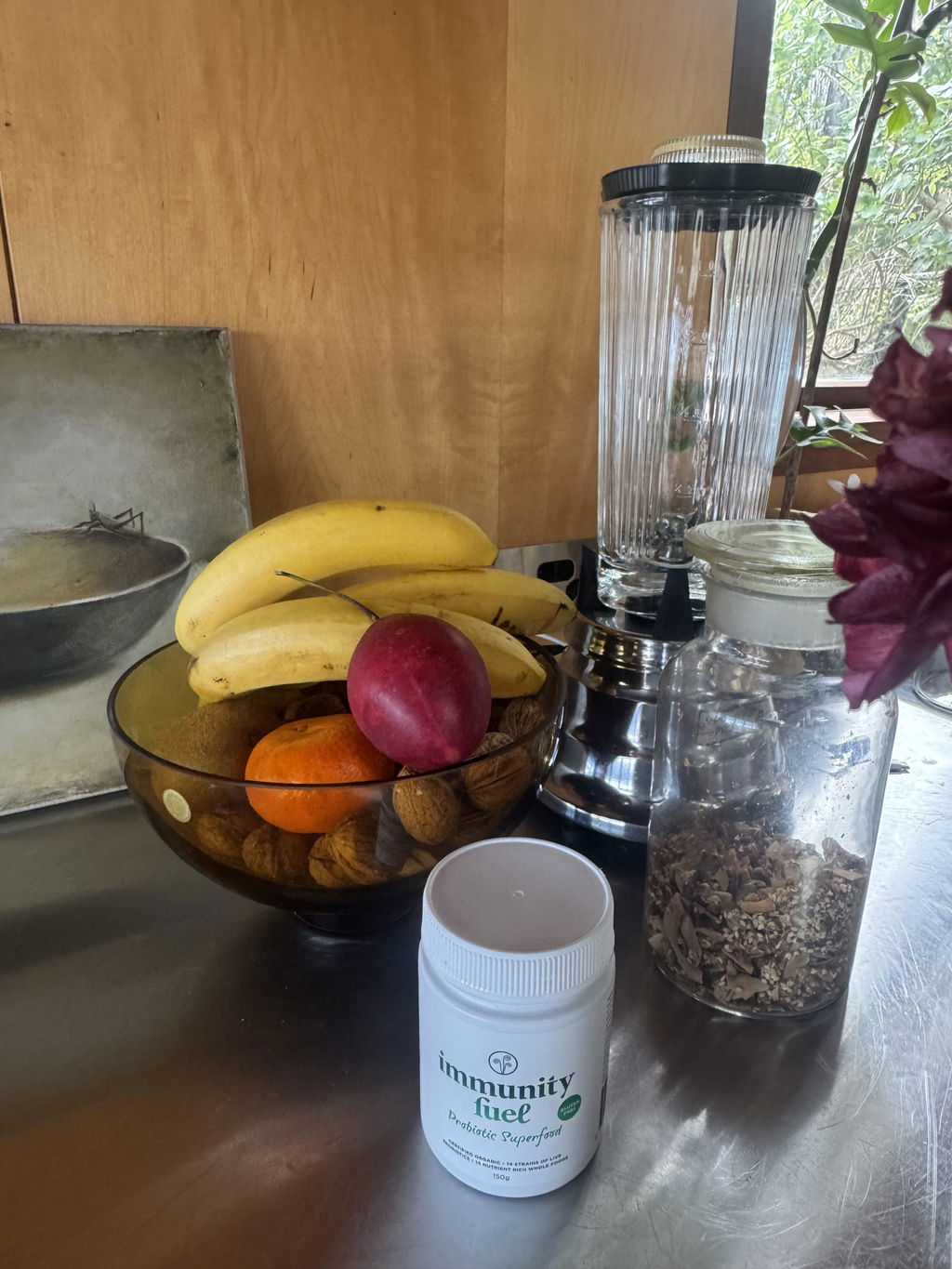
Immunity Fuel Probiotic Superfood is formulated with:

  • Multiple strains of beneficial bacteria
  • Fermented wholefoods - pre-digested nutrients that can be instantly absorbed
  • Naturally occurring digestive enzymes

This combination helps support a balanced gut environment — which may assist your body in breaking down food and accessing nutrients more effectively.

For those experiencing digestive discomfort or looking to optimise their gut health naturally, adding a daily probiotic can be a simple, supportive step.

👉 Learn more or explore options:
→ Shop All Immunity Fuel Products

4. Support Digestive Enzymes

Digestive enzymes are essential for breaking food down into absorbable nutrients.

As we age — or under stress — enzyme production can decline.

Including enzyme-rich foods or formulations (like fermented wholefoods) can help support this process.

👉 Learn more:
→ Why Are Fermented Foods so Good For Us?


5. Reduce Alcohol and Excess Caffeine

Alcohol and high caffeine intake may:

  • Disrupt digestive enzymes
  • Irritate the gut lining
  • Impact nutrient uptake

Reducing intake may support better digestion.


6. Manage Stress Levels

There’s a strong connection between your brain and your gut.

When you’re stressed:

  • Digestion slows down
  • Enzyme production can decrease
  • Nutrient absorption may be compromised

Simple practices like walking, breathwork, or time outdoors can support both gut and overall wellbeing.


7. Stay Hydrated

Hydration supports:

  • Digestion
  • Nutrient transport
  • Regular bowel movements

Even mild dehydration can impact how your body processes nutrients.


The Takeaway: It’s Not Just What You Eat — It’s What You Absorb

If you’ve been focusing on eating well but still don’t feel your best, your gut health could be the missing piece.

By supporting your digestive system — especially your gut microbiome — you give your body the best chance to absorb, utilise, and benefit from the nutrients you consume.

And that’s where small daily habits, like adding a high-quality probiotic, can make a meaningful difference over time.


Support Your Gut, Support Your Health

If you’re ready to take a proactive approach to your gut health, Immunity Fuel Probiotic Superfood offers a simple, natural way to support digestion as part of your daily routine.

👉 Shop Probiotic Superfoods
👉 Learn More About Our Ingredients