The Hidden Connection: Understanding the Gut-Heart Axis

February 11, 2026 5 min read

Best Probiotics for Heart Health

When we think about heart health, the images that usually come to mind are treadmills, blood pressure cuffs, and cutting back on salt. While those are certainly important, modern science has discovered a surprising new player in the quest for a healthy cardiovascular system: your gut.

The "gut-heart axis" is the scientific term for the complex, two-way communication network between your gastrointestinal tract and your heart. It turns out that the trillions of bacteria living in your digestive system—collectively known as the gut microbiome—are doing much more than just processing your lunch. They are actively sending signals that can either protect your heart or put it at risk.


The Body’s Most Important Conversation


Think of the gut-heart axis as a constant, 24/7 conversation. This dialogue happens through three primary channels:


1. The Chemical Factory (Metabolites)

Your gut bacteria act like a tiny chemical processing plant. When you eat, these bacteria break down food into substances called metabolites, which then enter your bloodstream and travel to your heart.

The Good: When you eat high-fibre foods like lentils, oats, and berries, your bacteria produce short-chain fatty acids (SCFAs). These are the "peacekeepers" of the body; they help lower blood pressure and keep the lining of your blood vessels smooth and flexible.


The Bad: On the other hand, when certain bacteria digest nutrients found in red meat, eggs, and full-fat dairy, they produce a compound called TMAO (trimethylamine N-oxide). High levels of TMAO are like "grit" in your engine—they’ve been strongly linked to the build-up of plaque in the arteries and a higher risk of heart attack or stroke.


2. The Direct Phone Line (The Vagus Nerve)

The heart and the gut are physically connected by the vagus nerve, the longest nerve in the body. It acts as a high-speed data cable, allowing the gut to send signals that influence your heart rate and your body’s "fight or flight" response. If your gut is stressed or inflamed, it can send "distress signals" that may disrupt your heart’s natural rhythm.


3. The Immune System and "Leaky Gut"

About 70% of your immune system is located in your gut. Your intestinal lining is supposed to act like a strict bouncer at a club, letting in nutrients while keeping toxins out.

However, when the gut environment becomes unhealthy (a state called dysbiosis), that lining can become "leaky." This allows harmful bacterial components to slip into your bloodstream, triggering body-wide inflammation. This chronic inflammation is a primary driver of heart disease, as it damages the delicate walls of your arteries over time.


Why the Microbiome is a Game-Changer


For decades, we believed heart disease was mostly a matter of genetics and cholesterol levels. While those factors still matter, the gut-heart axis explains why two people eating the same diet might have very different heart health outcomes. It’s not just about what you eat; it’s about how your specific gut bacteria process what you eat.


Research has shown that patients with heart failure often have less diverse gut bacteria than healthy individuals. By improving the "balance of power" in the gut—encouraging the growth of helpful bacteria while crowding out the harmful ones—we can actually take a "bottom-up" approach to protecting the heart.


How to Support Your Gut-Heart Axis


The most exciting part of this discovery is that your microbiome is highly adaptable. You can begin to "rewire" your gut-heart communication through simple, daily choices:

Feed the "Good" Bacteria with Fibre:Most people don't get enough fibre. Aim for 25–30 grams a day from sources like beans, seeds, vegetables, and whole grains. This provides the "fuel" your bacteria need to produce those heart-protective SCFAs.

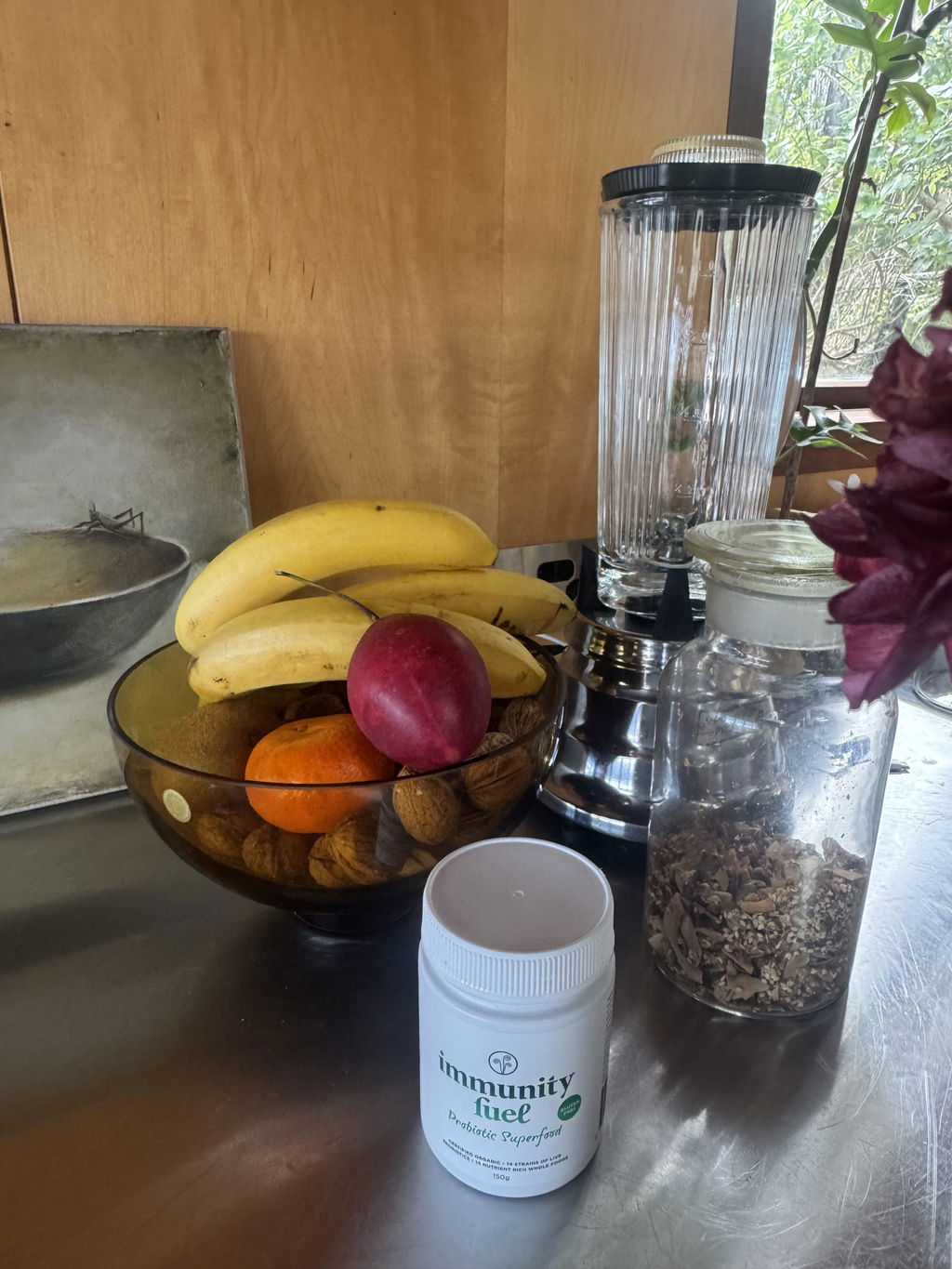
Incorporate Fermented Foods: Foods like immunity fuel probiotic superfood, plain Greek yogurt, kefir, sauerkraut, and kimchi are natural sources of probiotics. They help replenish your gut with beneficial bacteria that keep inflammation in check.

Be Mindful of Red Meat:You don't have to go vegan, but reducing your intake of red and especially processed meats can lower the production of harmful TMAO in your system.

Manage Stress: Since the vagus nerve connects the two organs, high stress can harm both your gut health and your heart rhythm. Practices like deep breathing, meditation, or even a daily walk can "calm" the axis.

Exercise Regularly: Physical activity doesn’t just strengthen your heart muscle; it also increases the diversity of your gut bacteria. It’s a win-win for both ends of the axis.


The Bottom Line

Your heart doesn’t beat in a vacuum. It is part of a complex, interconnected system where the gut plays a starring role. By shifting our focus to include gut health, we open up a whole new world of preventative care.

Taking care of your heart is no longer just about avoiding "bad" fats—it’s about nurturing the "good" life within your gut. When your microbiome is thriving, your heart is much more likely to follow suit.


Daily Heart-Healthy Snacks:

  • A small handful of walnuts or almonds.
  • Apple slices with almond butter.
  • Carrot sticks with hummus.
  • A square of dark chocolate (at least 70% cocoa)
  • Heart health smoothie (recipe below)


The Heart-Healthy Probiotic Smoothie


This smoothie is packed with a blend of heart-protective antioxidants, fibre, and live probiotics. 


Ingredients:

  • The Probiotic Boost: 1 tsp Immunity Fuel Certified Organic Probiotic Powder.
  • The Liquid Base: 1 cup unsweetened almond milk or water (almond milk is often recommended by cardiologists).
  • Heart Protection: 1 cup fresh baby spinach (full of nutrients that help prevent heart disease).
  • Antioxidant Power:  ½ cup frozen blueberries (helps reduce "bad" LDL cholesterol).
    Fibre & Potassium: ½ frozen banana (adds creaminess and key minerals for blood pressure).
  • Omega-3s: 1 tbsp ground flaxseeds or chia seeds (known cholesterol-lowering agents).
  • Anti-inflammatory: A small knob of fresh ginger (optional, for its anti-inflammatory effects). 


Instructions:

  • Add liquid first: Pour the unsweetened almond milk or water into your blender.
  • Layer ingredients: Add the spinach, blueberries, frozen banana, flaxseeds, and ginger (if using).
  • Top with probiotics: Sprinkle the 1 tsp of 
    Immunity Fuel Certified Organic Probiotic Powder
     on top.
  • Blend: Blend on high speed until all ingredients are combined into a smooth consistency.
  • Enjoy:Drink immediately to get the maximum benefit from the live cultures. 

This recipe provides a balanced mix of fibre, healthy fats, antioxidants, and beneficial probiotics and prebiotics to support your overall well-being.


The Heart Benefits Breakdown


Immunity Fuel Probiotic Powder:This provides the "good" bacteria needed to strengthen the gut-heart connection. By balancing your microbiome, it helps reduce the systemic inflammation that often leads to cardiovascular stress.

Unsweetened Almond Milk:Low in saturated fat and naturally cholesterol-free, it’s a heart-safe liquid base that keeps the smoothie light and easy on your arteries.

Fresh Baby Spinach:Spinach is rich in nitrates, which help dilate blood vessels, improving blood flow and reducing the workload on your heart. It’s also packed with Vitamin K, which supports healthy calcium levels in your arteries.

Frozen Blueberries:These are loaded with anthocyanins (the pigments that make them blue). Research shows these antioxidants help reduce "bad" LDL cholesterol and improve the function of the lining of your blood vessels.

Frozen Banana:A powerhouse of potassium, which is essential for managing blood pressure because it helps your body flush out excess sodium and eases tension in your blood vessel walls.

Ground Flaxseeds:These are one of the best plant-based sources of Omega-3 fatty acids and soluble fibre. They act like a "mop" in your digestive tract, binding to cholesterol and escorting it out of the body.

Fresh Ginger:Known for its potent anti-inflammatory properties, ginger helps soothe the gut and may help prevent the chronic inflammation that contributes to plaque buildup in the heart.

Browse Probiotic Superfoods