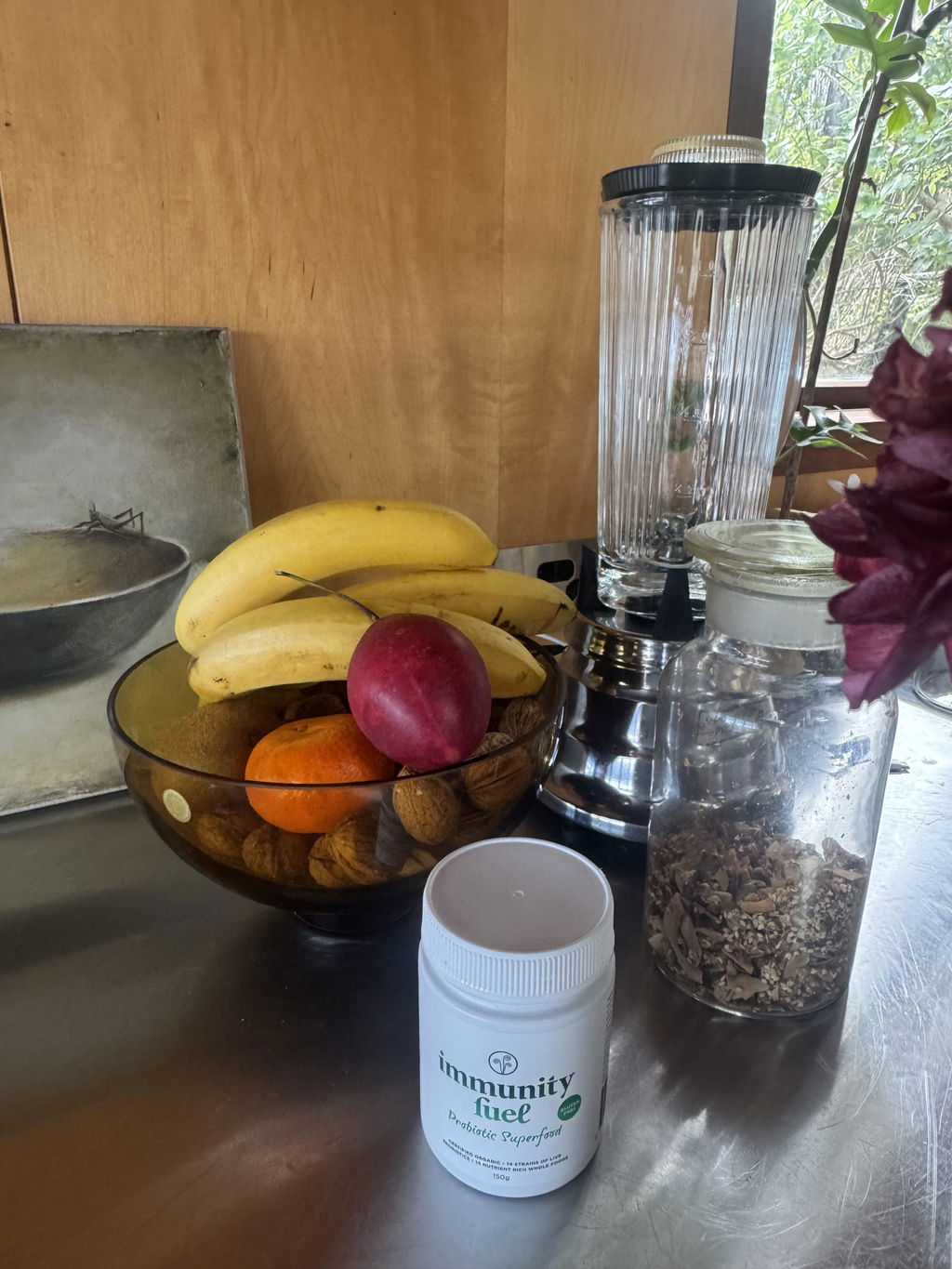
Feeling Bloated? 7 Simple Ways to Support Better Digestion Naturally

October 20, 2025 12 min read

premium probiotics for bloating, gut health, digestive issues, IBS

Bloating is one of those digestive complaints that can be difficult to pin down. You may wake up feeling perfectly comfortable, only to notice your stomach becoming increasingly full, tight or uncomfortable as the day progresses. For others, it happens predictably after certain meals, during stressful periods or when bowel habits become less regular.

Occasional bloating after a particularly large meal is common. However, when it happens regularly, it can become frustrating — particularly when you're already making an effort to eat well and look after your health.

So, why does bloating happen, and what can you do to support more comfortable digestion naturally?

The answer isn't always as simple as avoiding one particular food. Bloating can be influenced by how much and how quickly we eat, bowel regularity, fermentation of certain carbohydrates, food intolerances, stress and other digestive factors.

Your gut microbiome — the community of microorganisms living within your digestive tract — may also form part of the picture.

Understanding these different influences is a useful first step. Rather than chasing quick fixes or unnecessarily restricting your diet, you can begin identifying the habits and patterns that may be affecting your own digestion.

What Is Bloating?

Bloating generally refers to a sensation of fullness, pressure or tightness in the abdomen. Some people also experience visible abdominal swelling, known as distension, although bloating and distension don't always occur together.

Research suggests bloating is extremely common. A 2023 systematic review and meta-analysis published in Gastroenterology found that approximately 18% of people in the general population experience bloating at least once a week.[1]

Although we often associate bloating with having “too much gas”, the reality is more complex. The amount of gas within the digestive system, how efficiently it moves through the gut, constipation, fermentation of certain foods and how sensitive an individual is to normal digestive sensations can all influence how bloated they feel.[2]

This is why two people can eat exactly the same meal and have very different experiences afterwards.

7 Common Reasons You May Be Feeling Bloated

There is no single cause of bloating and, in many cases, several factors may be involved at the same time. These are some of the more common possibilities worth considering.

1. Eating Large Meals or Eating Too Quickly

Large meals naturally create a greater feeling of fullness because there is more food moving through the digestive system at once. Eating quickly can add to the problem by increasing swallowed air and giving your body's normal fullness signals less time to register.

If you regularly feel uncomfortable immediately after eating, consider slowing your meal pace, chewing thoroughly and experimenting with slightly smaller portions. This simple change can sometimes tell you a great deal about what your digestive system prefers.

2. Certain Foods May Produce More Gas

Some carbohydrates are incompletely absorbed in the small intestine and are fermented by bacteria further along the digestive tract. Gas is a normal by-product of this process, but some people are more sensitive to it than others.

Foods that commonly contribute to bloating in susceptible people include beans and legumes, onions, garlic, certain fruits and vegetables, dairy products in people with lactose intolerance, and foods containing particular fermentable carbohydrates known collectively as FODMAPs.[3]

Importantly, many of these foods are nutritious and support a varied diet.

Experiencing bloating doesn't automatically mean you should eliminate them. If you suspect particular foods are causing significant or persistent symptoms, keeping a food diary and seeking advice from a registered dietitian or healthcare professional is preferable to adopting a highly restrictive diet on your own.

3. Constipation and Slower Bowel Transit

Bloating and constipation frequently occur together. When stool remains in the bowel for longer, people may experience increased fullness, pressure and abdominal discomfort.

Supporting regular bowel movements is therefore an important part of addressing bloating for many people. Adequate hydration, appropriate dietary fibre and regular physical activity can all support normal bowel function.

If you increase your fibre intake, do so gradually. A sudden increase in fibre can actually increase gas and bloating while your digestive system adjusts.

4. Fizzy Drinks and Swallowed Air

Not every cause of bloating is complicated. Carbonated drinks introduce additional gas into the digestive system, while eating quickly, chewing gum, drinking through straws and talking extensively while eating can increase the amount of air swallowed.

If you regularly drink sparkling water or other carbonated beverages and experience bloating soon afterwards, reducing them for a week or two is a simple experiment worth trying.

5. Stress and the Gut-Brain Connection

The relationship between the digestive system and the brain is increasingly recognised as an important part of digestive health. Communication occurs in both directions through what is commonly called the gut-brain axis.

Stress can influence digestive function, bowel habits and how strongly we perceive sensations within the digestive system.[4] This may help explain why some people notice more bloating or digestive discomfort during stressful periods even when their diet hasn't changed significantly.

Supporting digestion therefore isn't solely about food. Regular movement, adequate sleep, taking time to eat rather than rushing meals, and finding practical ways to manage stress can all contribute to overall digestive wellbeing.

6. Hormonal Changes

Women may notice changes in bloating and bowel habits at different stages of the menstrual cycle. Hormonal fluctuations can influence fluid retention, digestive motility and gastrointestinal symptoms.

Hormonal changes may also affect digestion at other stages of life. However, persistent or newly developing bloating shouldn't automatically be attributed to hormones or ageing. A noticeable change in your normal digestive pattern is worth discussing with your healthcare professional.

7. Your Overall Digestive Environment

Your gastrointestinal tract is home to trillions of microorganisms, collectively referred to as the gut microbiome. These microorganisms interact with the food you eat and are involved in a wide range of digestive and metabolic processes.

Everyone's microbiome is different, and scientists are continuing to understand how these microbial communities relate to digestive health. What is clear is that the gut microbiome is influenced by many aspects of everyday life, including diet, medications, age and lifestyle.

Rather than trying to achieve a supposedly “perfect” microbiome, a more sensible goal is to support a healthy digestive environment through consistent nutrition and lifestyle habits.

How to Reduce Bloating Naturally: 7 Practical Steps

If bloating is becoming a regular frustration, it can be tempting to overhaul your diet or try several remedies at once. A more useful approach is to make small changes individually so you can identify what actually helps.

1. Slow Down When You Eat

Try to give yourself enough time to sit down and eat without rushing. Chewing food thoroughly and slowing your meal pace can reduce swallowed air while making it easier to recognise your natural fullness signals.
For many people, this is one of the simplest digestive habits to change.

2. Consider Your Portion Sizes

If bloating tends to occur after particularly large meals, experiment with slightly smaller portions. This doesn't necessarily mean eating less overall; you may simply find that spreading your food more evenly throughout the day is more comfortable.

Pay attention to how you feel one, two and three hours after eating rather than focusing only on the meal itself.

3. Keep a Simple Food and Symptom Diary

Before removing multiple foods from your diet, spend seven to fourteen days observing your digestive patterns.

Record what you eat, approximate portion sizes, when bloating occurs, bowel movements, stress levels and anything else that seems relevant. You may discover that the issue isn't one particular food but a combination of factors — such as a large evening meal on a stressful day when you've also been less active than usual.

If a consistent pattern emerges around certain foods, discuss it with an appropriate health professional before making major long-term dietary restrictions.

4. Make Regular Movement Part of Your Day

Physical activity supports general health as well as normal bowel function. Even a gentle walk after eating can be a useful addition to your daily routine.

You don't need a strenuous workout after every meal. Consistent everyday movement is what matters most.

5. Support Healthy Bowel Regularity

If your bloating occurs alongside constipation, supporting normal bowel function may help address one of the contributing factors.

Drink enough water, stay physically active and include appropriate sources of dietary fibre. Whole foods such as vegetables, fruit, legumes, whole grains, nuts and seeds can all contribute fibre, although individual tolerance varies.

Increase fibre gradually and seek professional advice if constipation is persistent.

6. Consider Stress, Sleep and How You Eat

Digestive wellbeing is influenced by more than the nutritional composition of your meals. Eating while rushing, sleeping poorly or spending long periods under stress can all influence how the digestive system functions and feels.

Simple habits such as sitting down for meals, taking a few slow breaths before eating, walking regularly and maintaining a consistent sleep routine can support overall wellbeing without turning gut health into another complicated project.

7. Support Your Gut Consistently

Gut health has become surrounded by language about “detoxing”, “resetting” and dramatically transforming the microbiome. For most people, a less extreme approach is more realistic.

A varied diet, sufficient fibre and fluids, regular movement, good sleep and sustainable eating habits provide the foundation for digestive wellbeing.

Some people also choose to include probiotics as part of their everyday gut-health routine. If you do, it is worth understanding what probiotics can — and cannot — reasonably be expected to do.

What Does the Gut Microbiome Have to Do With Bloating?

The gut microbiome is the community of bacteria and other microorganisms that live predominantly within the large intestine. These microorganisms help break down components of food that we cannot fully digest ourselves, producing a range of compounds as part of the process.

Fermentation within the gut naturally produces gas. This is not inherently unhealthy; it is part of normal digestion. However, differences in diet, gut motility, microbial activity and individual sensitivity can influence how much discomfort a person experiences.

Research into the microbiome is developing rapidly, but it is important not to reduce every digestive symptom to “good” and “bad” bacteria. Bloating can have many causes, and microbiome support should be viewed as one part of a broader approach to digestive health.

At Immunity Fuel, this balanced approach is important to us. We believe supporting gut health should be simple, consistent and based on good nutrition rather than fear, extreme restriction or promises of overnight transformation.

Can Probiotics Help With Bloating?

Probiotics are live microorganisms that, when administered in adequate amounts, confer a health benefit on the host.[5]

Research into probiotics and digestive symptoms is extensive, but results vary depending on the probiotic strain, dose, condition being studied and the individual taking it. Some research has found benefits from particular probiotics for certain gastrointestinal symptoms, while other studies have shown limited or inconsistent effects.[6]

For this reason, probiotics shouldn't be viewed as a guaranteed treatment for bloating.

If bloating is primarily related to eating very large meals, for example, a probiotic won't replace the need to address meal size. Similarly, persistent symptoms caused by an underlying digestive condition require appropriate medical assessment rather than self-treatment with supplements.

A more balanced way to think about probiotics is as one potential component of an overall gut-health routine, alongside a varied diet, healthy bowel habits, hydration, movement, sleep and stress management.

What Should You Look for in a Daily Gut-Health Product?

The growing interest in gut health has created an enormous range of supplements, often accompanied by equally enormous promises.

For consumers, that can make choosing a product unnecessarily confusing.

Rather than being persuaded by the largest number on the label or the longest list of ingredients, consider the quality of the product as a whole.

Look Closely at Ingredient Quality

Read the ingredient list and understand what you are taking. A reputable wellness company should make it easy for customers to understand its ingredients rather than relying on vague claims.

If organic ingredients are important to you, look for genuine organic certification rather than relying solely on words such as “natural” or “organic” in marketing copy.

Choose Something That Fits Your Life

A wellness routine only has value if you can realistically maintain it. Complicated protocols may look impressive, but simplicity often makes consistency easier.
Look for a product that can comfortably become part of your normal day.

Our Approach to Gut Health

Immunity Fuel is a small, family-owned New Zealand wellness business, and our approach to gut health has always been grounded in simplicity.

We created our Certified Organic Probiotic Superfood for people who want an uncomplicated way to include probiotic and fermented superfood nutrition in their everyday routine.

We believe in combining quality ingredients with the healthy habits that have always mattered: nourishing food, regular movement, adequate hydration, good sleep and consistency.

Immunity Fuel combines certified organic fermented superfoods with probiotics in a convenient daily serving, making it easy to incorporate gut support into an established wellness routine.

For us, certified organic status also matters. People should be able to make informed decisions about what they put into their bodies, and genuine certification provides an additional level of assurance around how organic ingredients are produced and handled.

Most importantly, we see Immunity Fuel as part of a broader approach to looking after yourself, rather than a replacement for the fundamentals of good health.

A Simple Daily Routine to Support Digestive Health

If you're overwhelmed by conflicting advice about gut health, returning to a few simple foundations can be helpful.

Begin with the food on your plate. Aim for variety and include whole foods that provide protein, healthy fats, carbohydrates and dietary fibre while paying attention to foods that suit your individual digestion.

Drink enough water throughout the day and keep moving. Walking, gardening and other regular physical activity all count; exercise doesn't need to be strenuous to contribute to overall wellbeing.

Give yourself time to eat rather than regularly rushing meals, and don't underestimate the importance of sleep and stress management. Your digestive system is part of your whole body, so supporting your general wellbeing supports the environment in which healthy digestion occurs.

Finally, be consistent. If you choose to include probiotic support in your routine, select a quality product that fits comfortably into your day rather than constantly switching between different supplements and wellness trends.

Frequently Asked Questions About Bloating

Q. Why Am I Bloated After Eating?
Bloating after eating can have several possible causes. Large portions, eating quickly, swallowed air, constipation, fermentation of certain carbohydrates and difficulty digesting particular foods can all contribute.
If it happens regularly, keeping a food and symptom diary for a week or two may help you identify patterns that you can discuss with your healthcare professional if necessary.

Q. How Can I Reduce Bloating Naturally?
Start with simple changes rather than dramatically restricting your diet. Eat more slowly, consider your portion sizes, drink enough water, remain physically active and support regular bowel movements.
If particular foods consistently seem to trigger symptoms, seek professional dietary advice before eliminating major food groups for long periods.

Q. What Foods Commonly Cause Bloating?
Beans, legumes, certain fruits and vegetables, dairy products for people with lactose intolerance, carbonated beverages and some foods containing fermentable carbohydrates can contribute to bloating in susceptible individuals.
However, tolerance varies considerably between people. Many foods associated with gas are highly nutritious, so experiencing bloating doesn't automatically mean they should be removed from your diet.

Q. Does Gut Health Affect Bloating?
The digestive environment, including the gut microbiome, plays a role in the fermentation of food and production of intestinal gas. However, bloating is complex and can also be influenced by bowel motility, constipation, diet, food intolerances, stress and individual sensitivity.
Gut health is therefore part of the picture rather than the only explanation.

Q. Can Probiotics Help With Bloating?
Some research suggests particular probiotic strains may help certain gastrointestinal symptoms in some people, but results are not universal.
Probiotics are best considered as one possible part of an overall approach to gut health rather than a guaranteed treatment for bloating.

Q. Can Stress Make Bloating Worse?
Yes. The brain and digestive system communicate closely, and stress can influence digestive function and the way gastrointestinal sensations are perceived.
This is why some people experience changes in bloating, bowel habits or digestive comfort during stressful periods even when their diet remains relatively unchanged.

Q. Is Bloating More Common as You Get Older?
Digestive habits and bowel function can change with age, and medications, activity levels and dietary patterns can also influence digestion. However, new or persistent bloating should not automatically be dismissed as part of getting older.
If your normal digestive pattern changes significantly, discuss it with your healthcare professional.

Supporting Your Gut Doesn't Have to Be Complicated

When you're regularly uncomfortable after eating, it's understandable to want a quick answer. You may find yourself eliminating foods, buying different supplements or following conflicting advice online, yet still feel unsure about what your body actually needs.

A calmer approach often makes more sense.

Start by understanding your patterns. Give yourself time to eat, stay active, support healthy bowel habits, drink enough water and pay attention to how stress and sleep affect you. If you choose to include probiotics or fermented foods in your routine, think of them as part of that wider foundation rather than a replacement for it.

Ultimately, most of us aren't trying to achieve a “perfect microbiome”. We simply want to feel comfortable in our bodies, enjoy our food, have the energy to do the things we love and feel confident that we're making sensible choices for our long-term health.

That is the philosophy behind Immunity Fuel - A Simple Way to Support Your Gut Every Day

If you're looking for a natural and uncomplicated way to make gut support part of your daily routine, explore the Immunity Fuel Certified Organic Probiotic Superfood collection.

Our probiotic superfoods combine certified organic fermented superfoods with probiotics in an easy daily format, created for people who value quality ingredients, simplicity and a grounded approach to long-term wellbeing.

Explore the Immunity Fuel Probiotic Superfood Collection → 

Looking after your gut doesn't need to become another complicated health project. Good food, healthy habits and consistent support can provide a much more sustainable place to begin.

SHOP NOW
________________________________________
References & Further Reading
1. Sperber AD, Bangdiwala SI, Drossman DA, et al. Worldwide prevalence and burden of functional gastrointestinal disorders, results of Rome Foundation Global Study. Gastroenterology. 2021;160(1):99–114.e3.
2. American College of Gastroenterology. Belching, Bloating and Flatulence. Patient information on causes and management of gastrointestinal gas and bloating.
3. Monash University. FODMAP Diet and IBS. Research and clinical information from the developers of the low-FODMAP diet.
4. Mayer EA, Tillisch K, Gupta A. Gut/brain axis and the microbiota. Journal of Clinical Investigation. 2015;125(3):926–938.
5. Hill C, Guarner F, Reid G, et al. Expert consensus document: The International Scientific Association for Probiotics and Prebiotics consensus statement on the scope and appropriate use of the term probiotic. Nature Reviews Gastroenterology & Hepatology. 2014;11:506–514.
6. Ford AC, Harris LA, Lacy BE, Quigley EMM, Moayyedi P. Systematic review with meta-analysis: the efficacy of prebiotics, probiotics, synbiotics and antibiotics in irritable bowel syndrome. Alimentary Pharmacology & Therapeutics. 2018;48(10):1044–1060.

Health information notice: This article provides general educational information and is not intended to diagnose, treat or prevent any medical condition, nor is it a substitute for personalised medical advice. If you have persistent, worsening or concerning digestive symptoms, please consult an appropriately qualified healthcare professional.