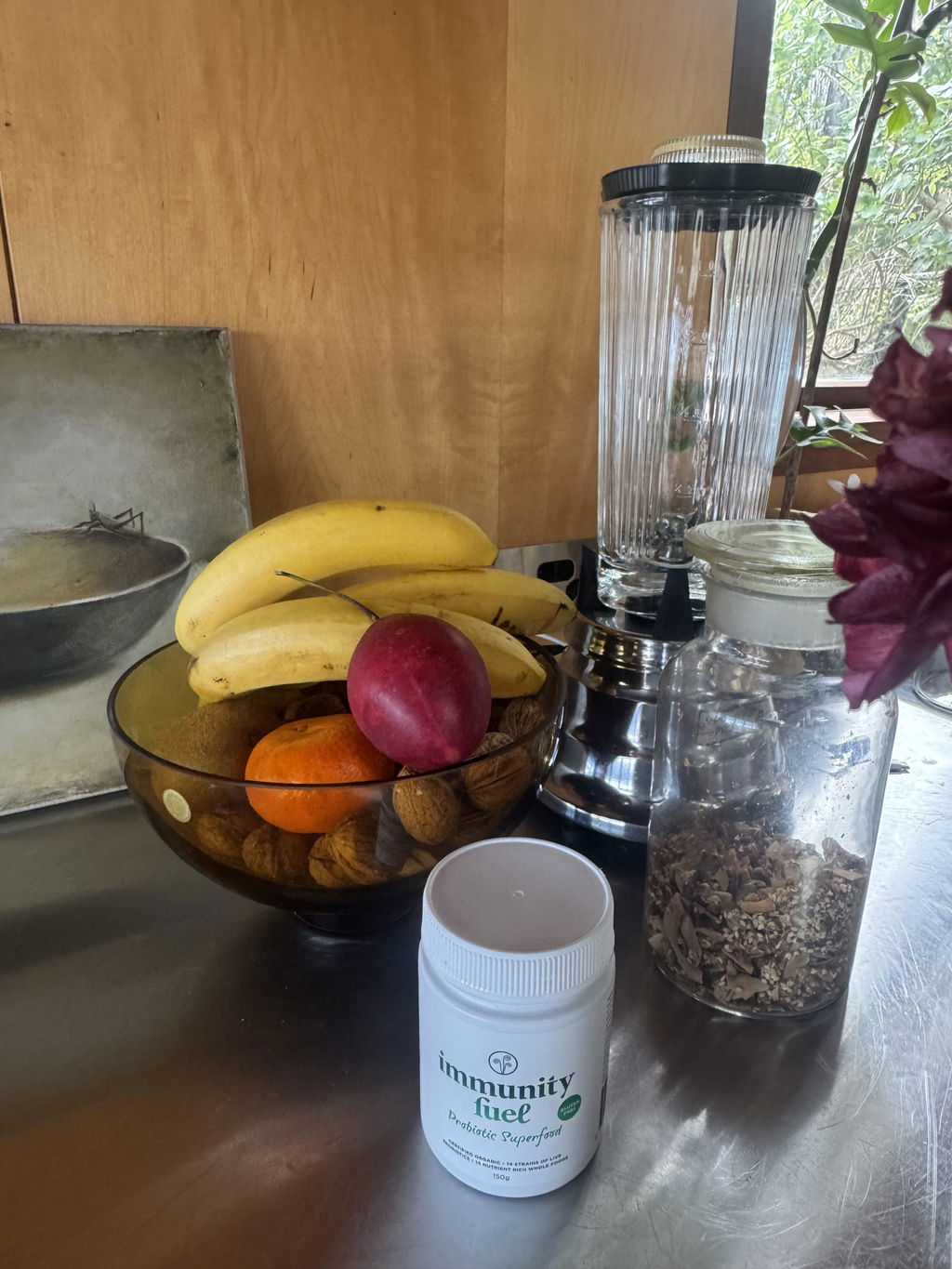
Gut Health Foods: Nurturing your Gut for Optimal Wellbeing

May 18, 2026 4 min read

6 food types essesntial for good gut health

Often when we think about improving our health, we often focus on eating “healthier” foods, exercising more, or taking supplements. But one important area of wellbeing is frequently overlooked, and that is gut health.

Your gut does far more than simply digest food.

The health of your digestive system can influence energy levels, immune function, nutrient absorption, inflammation, mental wellbeing, and even how comfortable you feel in your body day to day. In fact, many people are surprised to learn just how connected the gut is to overall health and vitality.

If your gut feels out of balance, your body often lets you know.

You may experience bloating after meals, sluggish digestion, irregular bowel movements, low energy, food sensitivities, or that uncomfortable feeling of being “off” despite trying to eat well. Over time, poor gut health can affect how effectively your body absorbs nutrients from even the healthiest foods.

That’s why supporting your gut microbiome — the trillions of beneficial bacteria living within your digestive system — is so important.

A healthy and diverse gut microbiome plays a key role in helping your body digest food properly, absorb nutrients efficiently, maintain immune balance, and support overall wellbeing.

The good news is that the foods you eat every day can have a powerful impact on the health of your gut.

By including more gut-supportive foods in your diet, you can help nourish beneficial bacteria naturally and create a healthier internal environment over time.

So, what are some of the best gut health foods you can start adding to your diet today?


6 Essential Types of Gut Health Foods


1. Fermented Foods

Fermented foods have been enjoyed for centuries across many cultures and are widely recognised as some of the best foods for gut health. Examples include yogurt, kefir, sauerkraut, kimchi, miso, kombucha, and traditionally fermented vegetables.

During the fermentation process, beneficial bacteria are naturally produced. These probiotics help support a balanced and diverse gut microbiome, which is essential for healthy digestion and overall wellbeing.

Probiotic-rich fermented foods may help:

  • support digestive comfort
  • improve nutrient absorption
  • maintain immune health
  • encourage beneficial gut bacteria
  • support regular bowel function

For many people, incorporating fermented foods into their diet regularly can be a simple and natural way to support better gut balance.


2. Prebiotic-Rich Foods

While probiotics provide beneficial bacteria, prebiotics help feed them.

Prebiotics are non-digestible fibres that nourish the good bacteria already living in your gut. Without enough prebiotic foods, beneficial bacteria can struggle to thrive.

Some of the best prebiotic-rich foods include:

  • bananas
  • garlic
  • onions
  • asparagus
  • oats
  • legumes
  • leeks
  • apples

Prebiotics help support the production of short-chain fatty acids (SCFAs), which are important for maintaining a healthy gut lining and reducing inflammation within the digestive tract.

Adding more prebiotic foods to your diet can help create a healthier and more balanced microbiome over time.


3. High-Fibre Foods

Dietary fibre plays an essential role in digestive health and maintaining healthy bowel function.

Fibre helps move waste through the digestive tract, supports regularity, and provides nourishment for beneficial gut bacteria. Diets rich in fibre are consistently associated with greater microbial diversity within the gut.

High-fibre foods include:

  • whole grains
  • apples and pears
  • broccoli
  • Brussels sprouts
  • nuts and seeds
  • legumes
  • millet and other whole cereal grains

Beyond gut health, fibre may also help support satiety, balanced blood sugar levels, and overall metabolic health.

For many people, increasing fibre intake gradually while staying hydrated can make a noticeable difference to digestive comfort.

4. Omega-3 Fatty Acids

Omega-3 fatty acids are best known for their anti-inflammatory properties, but they also play an important role in supporting gut health.

Chronic inflammation may negatively affect the gut lining and microbiome balance over time. Omega-3s help support a healthier inflammatory response and may contribute to maintaining the integrity of the digestive tract.

Foods naturally rich in omega-3 fatty acids include:

  • salmon
  • sardines
  • mackerel
  • flaxseeds
  • chia seeds
  • walnuts

Including omega-3-rich foods regularly may help support both digestive and overall health.


5. Essential Amino Acids

Amino acids are the building blocks of protein and are involved in many important functions throughout the body — including maintaining the digestive system.

They help support:

  • intestinal tissue repair
  • healthy digestive function
  • protein digestion
  • gut lining integrity
  • neurotransmitter production

Complete protein sources containing all nine essential amino acids include:

  • fish
  • eggs
  • poultry
  • dairy
  • soy
  • quinoa
  • buckwheat

Other foods such as nuts, seeds, legumes, and grains also contribute valuable amino acids that support overall health.


6. Digestive Enzymes

Digestive enzymes are natural proteins produced by the body to help break down food into nutrients that can be properly absorbed and utilised.

Without sufficient digestive enzymes, digestion may become less efficient, potentially contributing to bloating, discomfort, or feelings of heaviness after meals.

Digestive enzymes are naturally found in foods such as:

  • pineapple
  • kiwifruit
  • mango
  • avocado
  • ginger
  • yogurt
  • fermented foods

Supporting healthy digestion through enzyme-rich foods may help improve nutrient absorption and digestive comfort.


Nurturing Your Gut Health Naturally

Taking care of your gut health is one of the most important things you can do for your overall wellbeing.

Your gut influences far more than digestion alone. A healthy gut microbiome may help support:

  • digestive comfort
  • immune health
  • energy levels
  • nutrient absorption
  • inflammation balance
  • mental wellbeing

The foods you eat every day play a major role in shaping the health of your gut over time.

By focusing on a balanced diet rich in fermented foods, fibre, prebiotics, omega-3s, amino acids, and digestive enzymes, you can help support a healthier gut microbiome naturally.

Small, consistent habits often make the biggest difference.

Looking to Support Your Gut Health Further?

At Immunity Fuel, we believe wellness should feel natural, simple, and supportive — not complicated.

Our range of certified organic probiotic superfoods has been carefully formulated to help support gut health, digestion, immunity, and overall wellbeing using high-quality natural ingredients.

Browse our range of gut health superfoods today and take the next step toward feeling more balanced, energised, and comfortable from within.

BROWSE THE RANGE